
抗體
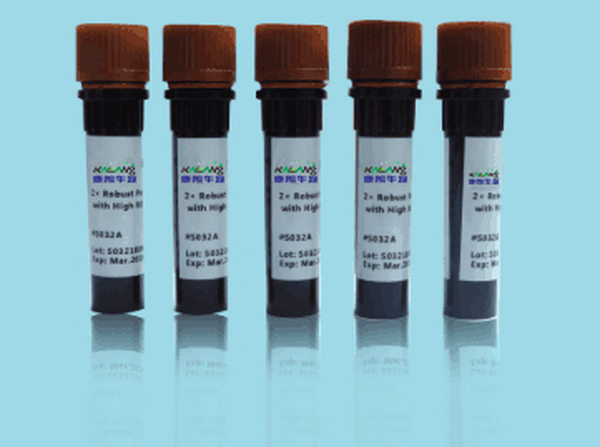
Gas8 rabbit Polyclonal Antibody
Gas8抗體應(yīng)用:WB 1:500-2000 Immunohistochemistry: 1/100 - 1/300. ELISA: 1/40000. growth arrest specific 8(GAS8) Homo sapiens This gene includes 11 exons spanning 25 kb and maps to a region of chromosome 16 that is sometimes deleted in breast and prostrate cancer. The second intron contains an apparently intronless gene, C16orf3, that is transcribed in the opposite orientation. This gene is a putative tumor suppressor gene. Several transcript variants encoding different isoforms have been found for this gene. [provided by RefSeq, Oct 2013],
Gasdermin C rabbit Polyclonal Antibody
Gasdermin C抗體應(yīng)用:Western Blot: 1/500 - 1/2000. ELISA: 1/10000. caution:Despite its name, it is unclear if this protein contains a functional leucine zipper.,similarity:Belongs to the gasdermin family.,tissue specificity:Expressed primarily in trachea and spleen.,
GASP-1 rabbit Polyclonal Antibody
GASP-1抗體應(yīng)用:Immunohistochemistry: 1/100 - 1/300. Immunofluorescence: 1/200 - 1/1000. ELISA: 1/10000. G protein-coupled receptor associated sorting protein 1(GPRASP1) Homo sapiens This gene encodes a member of the GPRASP (G protein-coupled receptor associated sorting protein) family. The protein may modulate lysosomal sorting and functional down-regulation of a variety of G-protein coupled receptors. It targets receptors for degradation in lysosomes. The receptors interacting with this sorting protein include D2 dopamine receptor (DRD2), delta opioid receptor (OPRD1), beta-2 adrenergic receptor (ADRB2), D4 dopamine receptor (DRD4) and cannabinoid 1 receptor (CB1R). Multiple alternatively spliced transcript variants encoding the same protein have been identified. [provided by RefSeq, May 2010],
Gastrin rabbit Polyclonal Antibody
Gastrin抗體應(yīng)用:Western Blot: 1/500 - 1/2000. Immunohistochemistry: 1/100 - 1/300. Immunofluorescence: 1/200 - 1/1000. ELISA: 1/10000.gastrin(GAST) Homo sapiens Gastrin is a hormone whose main function is to stimulate secretion of hydrochloric acid by the gastric mucosa, which results in gastrin formation inhibition. This hormone also acts as a mitogenic factor for gastrointestinal epithelial cells. Gastrin has two biologically active peptide forms, G34 and G17. [provided by RefSeq, Jul 2008],
GATA-1 rabbit Polyclonal Antibody
GATA-1抗體應(yīng)用:Western Blot: 1/500 - 1/2000. Immunohistochemistry: 1/100 - 1/300. Immunoprecipitation: 2-5 ug/mg lysate. Immunofluorescence: 1/200 - 1/1000. ELISA: 1/10000. GATA binding protein 1(GATA1) Homo sapiens This gene encodes a protein which belongs to the GATA family of transcription factors. The protein plays an important role in erythroid development by regulating the switch of fetal hemoglobin to adult hemoglobin. Mutations in this gene have been associated with X-linked dyserythropoietic anemia and thrombocytopenia. [provided by RefSeq, Jul 2008],
GATA-1 rabbit Polyclonal Antibody
GATA-1抗體應(yīng)用:Western Blot: 1/500 - 1/2000. ELISA: 1/20000. GATA binding protein 1(GATA1) Homo sapiens This gene encodes a protein which belongs to the GATA family of transcription factors. The protein plays an important role in erythroid development by regulating the switch of fetal hemoglobin to adult hemoglobin. Mutations in this gene have been associated with X-linked dyserythropoietic anemia and thrombocytopenia. [provided by RefSeq, Jul 2008],
GATA-2/3 rabbit Polyclonal Antibody
GATA-2/3抗體應(yīng)用:Immunohistochemistry: 1/100 - 1/300. Immunofluorescence: 1/200 - 1/1000. ELISA: 1/5000.GATA binding protein 3(GATA3) Homo sapiens This gene encodes a protein which belongs to the GATA family of transcription factors. The protein contains two GATA-type zinc fingers and is an important regulator of T-cell development and plays an important role in endothelial cell biology. Defects in this gene are the cause of hypoparathyroidism with sensorineural deafness and renal dysplasia. [provided by RefSeq, Nov 2009],
GATA-4 rabbit Polyclonal Antibody
GATA-4抗體應(yīng)用:Western Blot: 1/500 - 1/2000. Immunohistochemistry: 1/100 - 1/300. ELISA: 1/5000. GATA binding protein 4(GATA4) Homo sapiens This gene encodes a member of the GATA family of zinc-finger transcription factors. Members of this family recognize the GATA motif which is present in the promoters of many genes. This protein is thought to regulate genes involved in embryogenesis and in myocardial differentiation and function, and is necessary for normal testicular development. Mutations in this gene have been associated with cardiac septal defects. Additionally, alterations in gene expression have been associated with several cancer types. Alternative splicing results in multiple transcript variants. [provided by RefSeq, Apr 2015],
GATA-4 rabbit Polyclonal Antibody
GATA-4 抗體應(yīng)用:Western Blot: 1/500 - 1/2000. Immunohistochemistry: 1/100 - 1/300. Immunofluorescence: 1/200 - 1/1000. ELISA: 1/20000.GATA binding protein 4(GATA4) Homo sapiens This gene encodes a member of the GATA family of zinc-finger transcription factors. Members of this family recognize the GATA motif which is present in the promoters of many genes. This protein is thought to regulate genes involved in embryogenesis and in myocardial differentiation and function, and is necessary for normal testicular development. Mutations in this gene have been associated with cardiac septal defects. Additionally, alterations in gene expression have been associated with several cancer types. Alternative splicing results in multiple transcript variants. [provided by RefSeq, Apr 2015],
GATA-4 rabbit Polyclonal Antibody
GATA-4抗體應(yīng)用:Western Blot: 1/500 - 1/2000. Immunofluorescence: 1/200 - 1/1000. ELISA: 1/20000. GATA binding protein 4(GATA4) Homo sapiens This gene encodes a member of the GATA family of zinc-finger transcription factors. Members of this family recognize the GATA motif which is present in the promoters of many genes. This protein is thought to regulate genes involved in embryogenesis and in myocardial differentiation and function, and is necessary for normal testicular development. Mutations in this gene have been associated with cardiac septal defects. Additionally, alterations in gene expression have been associated with several cancer types. Alternative splicing results in multiple transcript variants. [provided by RefSeq, Apr 2015],
最新動態(tài)
-
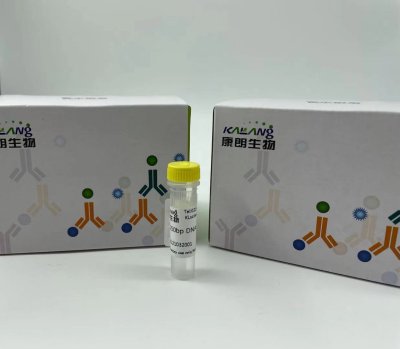
Anti-GNGT1 KL20092-001(50ul)
2021-10-11 -
Anti-GNGT1 antibody(50ul) KL20093-001
2021-10-11 -
α-tubulin mouse Monoclonal Antibody
2021-01-08 -
α-tubulin mouse Monoclonal Antibody(8F11)
2021-01-08
熱門標(biāo)簽
- Histone H3 rabbit Polyclonal Antibody Histone H3抗體
- EGFR rabbit Polyclonal Antibody EGFR抗體
- Cy3 Conjugated
- AbFluor? 555 Conjugated
- AbFluor? 680 Conjugated
- AbFluor? 350 Conjugated
- AbFluor? 647 Conjugated
- AbFluor? 594 Conjugated
- AbFluor? 405 Conjugated
- Cy5 Conjugated
- AbFluor? 488 Conjugated
- Cyclophilin B抗體 Cyclophilin B Monoclonal Antibody(2B10)
- COX IV抗體 COX IV Monoclonal Antibody(6C8)
- PCNA抗體 PCNA Monoclonal Antibody(12D10)
- FAK rabbit Polyclonal Antibody FAK抗體
QQ:3002763590
電話:021-61998208

掃碼關(guān)注微信公眾號