
多克隆抗體
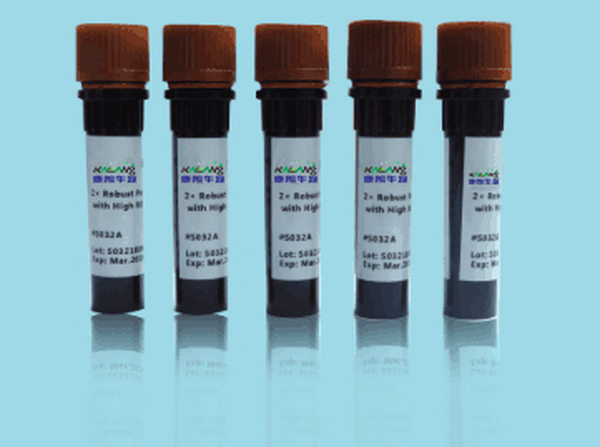
FMO3 rabbit Polyclonal Antibody
FMO3抗體應(yīng)用:Western Blot: 1/500 - 1/2000. IHC-p: 1/100-1/300. ELISA: 1/20000. flavin containing monooxygenase 3(FMO3) Homo sapiens Flavin-containing monooxygenases (FMO) are an important class of drug-metabolizing enzymes that catalyze the NADPH-dependent oxygenation of various nitrogen-,sulfur-, and phosphorous-containing xenobiotics such as therapeutic drugs, dietary compounds, pesticides, and other foreign compounds. The human FMO gene family is composed of 5 genes and multiple pseudogenes. FMO members have distinct developmental- and tissue-specific expression patterns. The expression of this FMO3 gene, the major FMO expressed in adult liver, can vary up to 20-fold between individuals. This inter-individual variation in FMO3 expression levels is likely to have significant effects on the rate at which xenobiotics are metabolised and, therefore, is of considerable interest to the pharmaceutical industry. This transmembrane protein localizes to the endoplasmic reticulum of many tissues.
FN1 rabbit Polyclonal Antibody
FN1抗體應(yīng)用:Western Blot: 1/500 - 1/2000. Immunohistochemistry: 1/100 - 1/300. ELISA: 1/20000. fibronectin 1(FN1) Homo sapiens This gene encodes fibronectin, a glycoprotein present in a soluble dimeric form in plasma, and in a dimeric or multimeric form at the cell surface and in extracellular matrix. The encoded preproprotein is proteolytically processed to generate the mature protein. Fibronectin is involved in cell adhesion and migration processes including embryogenesis, wound healing, blood coagulation, host defense, and metastasis. The gene has three regions subject to alternative splicing, with the potential to produce 20 different transcript variants, at least one of which encodes an isoform that undergoes proteolytic processing. The full-length nature of some variants has not been determined. [provided by RefSeq, Jan 2016],
Fnk rabbit Polyclonal Antibody
Fnk抗體應(yīng)用:Western Blot: 1/500 - 1/2000. ELISA: 1/10000. polo like kinase 3(PLK3) Homo sapiens The protein encoded by this gene is a member of the highly conserved polo-like kinase family of serine/threonine kinases. Members of this family are characterized by an amino-terminal kinase domain and a carboxy-terminal bipartite polo box domain that functions as a substrate-binding motif and a cellular localization signal. Polo-like kinases are important regulators of cell cycle progression. This gene has also been implicated in stress responses and double-strand break repair. In human cell lines, this protein is reported to associate with centrosomes in a microtubule-dependent manner, and during mitosis, the protein becomes localized to the mitotic apparatus. Expression of a kinase-defective mutant results in abnormal cell morphology caused by changes in microtubule dynamics and mitotic arrest followed by apoptosis. [provided by RefSeq, Sep 2015],
FOG-2 rabbit Polyclonal Antibody
FOG-2抗體應(yīng)用:Western Blot: 1/500 - 1/2000. IHC-p: 1:100-1:300. ELISA: 1/10000. zinc finger protein, FOG family member 2(ZFPM2) Homo sapiens The zinc finger protein encoded by this gene is a widely expressed member of the FOG family of transcription factors. The family members modulate the activity of GATA family proteins, which are important regulators of hematopoiesis and cardiogenesis in mammals. It has been demonstrated that the protein can both activate and down-regulate expression of GATA-target genes, suggesting different modulation in different promoter contexts. A related mRNA suggests an alternatively spliced product but this information is not yet fully supported by the sequence. [provided by RefSeq, Jul 2008],
Follistatin rabbit Polyclonal Antibody
Follistatin抗體應(yīng)用:Western Blot: 1/500 - 1/2000. Immunohistochemistry: 1/100 - 1/300. ELISA: 1/5000. follistatin(FST) Homo sapiens Follistatin is a single-chain gonadal protein that specifically inhibits follicle-stimulating hormone release. The single FST gene encodes two isoforms, FST317 and FST344 containing 317 and 344 amino acids respectively, resulting from alternative splicing of the precursor mRNA. In a study in which 37 candidate genes were tested for linkage and association with polycystic ovary syndrome (PCOS) or hyperandrogenemia in 150 families, evidence was found for linkage between PCOS and follistatin. [provided by RefSeq, Jul 2008],
FOP rabbit Polyclonal Antibody
FOP抗體應(yīng)用:Western Blot: 1/500 - 1/2000. Immunohistochemistry: 1/100 - 1/300. Immunofluorescence: 1/200 - 1/1000. ELISA: 1/10000. FGFR1 oncogene partner(FGFR1OP) Homo sapiens This gene encodes a largely hydrophilic centrosomal protein that is required for anchoring microtubules to subcellular structures. A t(6;8)(q27;p11) chromosomal translocation, fusing this gene and the fibroblast growth factor receptor 1 (FGFR1) gene, has been found in cases of myeloproliferative disorder. The resulting chimeric protein contains the N-terminal leucine-rich region of this encoded protein fused to the catalytic domain of FGFR1. Alterations in this gene may also be associated with Crohn's disease, Graves' disease, and vitiligo. Alternatively spliced transcript variants that encode different proteins have been identified. [provided by RefSeq, Jul 2013],
Formin 2 rabbit Polyclonal Antibody
Formin 2抗體應(yīng)用:Immunohistochemistry: 1/100 - 1/300. ELISA: 1/40000.formin 2(FMN2) Homo sapiens This gene is a member of the formin homology protein family. The encoded protein is thought to have essential roles in organization of the actin cytoskeleton and in cell polarity. Mutations in this gene have been associated with mental retardation autosomal recessive 47 (MRT47). Alternatively spliced transcript variants have been identified. [provided by RefSeq, Mar 2015],
最新動(dòng)態(tài)
-
Anti-GNGT1 KL20092-001(50ul)
2021-10-11 -
Anti-GNGT1 antibody(50ul) KL20093-001
2021-10-11 -
MUC5AC (PT2058) mouse Monoclonal Antibody
2021-01-06 -
mOrange mouse Monoclonal Antibody(Mix)
2021-01-05
熱門(mén)標(biāo)簽
- Histone H3 rabbit Polyclonal Antibody Histone H3抗體
- EGFR rabbit Polyclonal Antibody EGFR抗體
- Cy3 Conjugated
- AbFluor? 555 Conjugated
- AbFluor? 680 Conjugated
- AbFluor? 350 Conjugated
- AbFluor? 647 Conjugated
- AbFluor? 594 Conjugated
- AbFluor? 405 Conjugated
- Cy5 Conjugated
- AbFluor? 488 Conjugated
- Cyclophilin B抗體 Cyclophilin B Monoclonal Antibody(2B10)
- COX IV抗體 COX IV Monoclonal Antibody(6C8)
- PCNA抗體 PCNA Monoclonal Antibody(12D10)
- FAK rabbit Polyclonal Antibody FAK抗體
QQ:3002763590
電話(huà):021-61998208

掃碼關(guān)注微信公眾號(hào)