
多克隆抗體
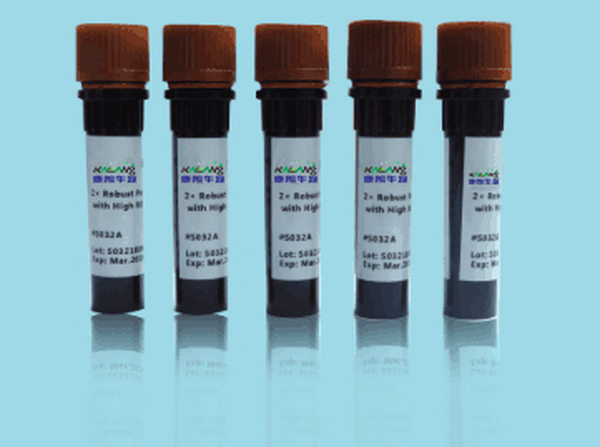
Cortactin rabbit Polyclonal Antibody
Cortactin抗體應(yīng)用:Western Blot: 1/500 - 1/2000. ELISA: 1/10000. cortactin(CTTN) Homo sapiens This gene is overexpressed in breast cancer and squamous cell carcinomas of the head and neck. The encoded protein is localized in the cytoplasm and in areas of the cell-substratum contacts. This gene has two roles: (1) regulating the interactions between components of adherens-type junctions and (2) organizing the cytoskeleton and cell adhesion structures of epithelia and carcinoma cells. During apoptosis, the encoded protein is degraded in a caspase-dependent manner. The aberrant regulation of this gene contributes to tumor cell invasion and metastasis. Three splice variants that encode different isoforms have been identified for this gene. [provided by RefSeq, May 2010],
Cortactin rabbit Polyclonal Antibody
Cortactin抗體應(yīng)用:Western Blot: 1/500 - 1/2000. ELISA: 1/10000. cortactin(CTTN) Homo sapiens This gene is overexpressed in breast cancer and squamous cell carcinomas of the head and neck. The encoded protein is localized in the cytoplasm and in areas of the cell-substratum contacts. This gene has two roles: (1) regulating the interactions between components of adherens-type junctions and (2) organizing the cytoskeleton and cell adhesion structures of epithelia and carcinoma cells. During apoptosis, the encoded protein is degraded in a caspase-dependent manner. The aberrant regulation of this gene contributes to tumor cell invasion and metastasis. Three splice variants that encode different isoforms have been identified for this gene. [provided by RefSeq, May 2010],
Cortactin rabbit Polyclonal Antibody
Cortactin抗體應(yīng)用:Western Blot: 1/500 - 1/2000. Immunohistochemistry: 1/100 - 1/300. ELISA: 1/20000. cortactin(CTTN) Homo sapiens This gene is overexpressed in breast cancer and squamous cell carcinomas of the head and neck. The encoded protein is localized in the cytoplasm and in areas of the cell-substratum contacts. This gene has two roles: (1) regulating the interactions between components of adherens-type junctions and (2) organizing the cytoskeleton and cell adhesion structures of epithelia and carcinoma cells. During apoptosis, the encoded protein is degraded in a caspase-dependent manner. The aberrant regulation of this gene contributes to tumor cell invasion and metastasis. Three splice variants that encode different isoforms have been identified for this gene. [provided by RefSeq, May 2010],
Cortactin rabbit Polyclonal Antibody
Cortactin抗體應(yīng)用:Western Blot: 1/500 - 1/2000. Immunohistochemistry: 1/100 - 1/300. Immunofluorescence: 1/200 - 1/1000. ELISA: 1/20000.cortactin(CTTN) Homo sapiens This gene is overexpressed in breast cancer and squamous cell carcinomas of the head and neck. The encoded protein is localized in the cytoplasm and in areas of the cell-substratum contacts. This gene has two roles: (1) regulating the interactions between components of adherens-type junctions and (2) organizing the cytoskeleton and cell adhesion structures of epithelia and carcinoma cells. During apoptosis, the encoded protein is degraded in a caspase-dependent manner. The aberrant regulation of this gene contributes to tumor cell invasion and metastasis. Three splice variants that encode different isoforms have been identified for this gene. [provided by RefSeq, May 2010],
Corticotropin-releasing factor receptor 2 rabbit Polyclonal Antibody
Corticotropin-releasing factor receptor 2抗體應(yīng)用:WB 1:500-2000, ELISA 1:10000-20000 corticotropin releasing hormone receptor 2(CRHR2) Homo sapiens The protein encoded by this gene belongs to the G-protein coupled receptor 2 family, and the subfamily of corticotropin releasing hormone receptor. This receptor shows high affinity for corticotropin releasing hormone (CRH), and also binds CRH-related peptides such as urocortin. CRH is synthesized in the hypothalamus, and plays an important role in coordinating the endocrine, autonomic, and behavioral responses to stress and immune challenge. Studies in mice suggest that this receptor maybe involved in mediating cardiovascular homeostasis. Alternatively spliced transcript variants encoding different isoforms have been described for this gene.[provided by RefSeq, Jan 2011],
Cot rabbit Polyclonal Antibody
Cot抗體應(yīng)用:Western Blot: 1/500 - 1/2000. Immunohistochemistry: 1/100 - 1/300. ELISA: 1/5000. mitogen-activated protein kinase kinase kinase 8(MAP3K8) Homo sapiens This gene is an oncogene that encodes a member of the serine/threonine protein kinase family. The encoded protein localizes to the cytoplasm and can activate both the MAP kinase and JNK kinase pathways. This protein was shown to activate IkappaB kinases, and thus induce the nuclear production of NF-kappaB. This protein was also found to promote the production of TNF-alpha and IL-2 during T lymphocyte activation. This gene may also utilize a downstream in-frame translation start codon, and thus produce an isoform containing a shorter N-terminus. The shorter isoform has been shown to display weaker transforming activity. Alternate splicing results in multiple transcript variants that encode the same protein. [provided by RefSeq, Sep 2011],
COT rabbit Polyclonal Antibody
COT抗體應(yīng)用:Western Blot: 1/500 - 1/2000. Immunohistochemistry: 1/100 - 1/300. Immunofluorescence: 1/200 - 1/1000. ELISA: 1/40000. mitogen-activated protein kinase kinase kinase 8(MAP3K8) Homo sapiens This gene is an oncogene that encodes a member of the serine/threonine protein kinase family. The encoded protein localizes to the cytoplasm and can activate both the MAP kinase and JNK kinase pathways. This protein was shown to activate IkappaB kinases, and thus induce the nuclear production of NF-kappaB. This protein was also found to promote the production of TNF-alpha and IL-2 during T lymphocyte activation. This gene may also utilize a downstream in-frame translation start codon, and thus produce an isoform containing a shorter N-terminus. The shorter isoform has been shown to display weaker transforming activity. Alternate splicing results in multiple transcript variants that encode the same protein. [provided by RefSeq, Sep 2011],
COTL1 rabbit Polyclonal Antibody
COTL1抗體應(yīng)用:WB 1:500-2000 This gene encodes one of the numerous actin-binding proteins which regulate the actin cytoskeleton. This protein binds F-actin, and also interacts with 5-lipoxygenase, which is the first committed enzyme in leukotriene biosynthesis. Although this gene has been reported to map to chromosome 17 in the Smith-Magenis syndrome region, the best alignments for this gene are to chromosome 16. The Smith-Magenis syndrome region is the site of two related pseudogenes. [provided by RefSeq, Jul 2008],
Cox-1 rabbit Polyclonal Antibody
Cox-1抗體應(yīng)用:Western Blot: 1/500 - 1/2000. Immunohistochemistry: 1/100 - 1/300. ELISA: 1/40000. prostaglandin-endoperoxide synthase 1(PTGS1) Homo sapiens This is one of two genes encoding similar enzymes that catalyze the conversion of arachinodate to prostaglandin. The encoded protein regulates angiogenesis in endothelial cells, and is inhibited by nonsteroidal anti-inflammatory drugs such as aspirin. Based on its ability to function as both a cyclooxygenase and as a peroxidase, the encoded protein has been identified as a moonlighting protein. The protein may promote cell proliferation during tumor progression. Alternative splicing results in multiple transcript variants. [provided by RefSeq, Jan 2014],
COX10 rabbit Polyclonal Antibody
COX10抗體應(yīng)用:Western Blot: 1/500 - 1/2000. ELISA: 1/10000.COX10, heme A:farnesyltransferase cytochrome c oxidase assembly factor(COX10) Homo sapiens Cytochrome c oxidase (COX), the terminal component of the mitochondrial respiratory chain, catalyzes the electron transfer from reduced cytochrome c to oxygen. This component is a heteromeric complex consisting of 3 catalytic subunits encoded by mitochondrial genes and multiple structural subunits encoded by nuclear genes. The mitochondrially-encoded subunits function in electron transfer, and the nuclear-encoded subunits may function in the regulation and assembly of the complex. This nuclear gene encodes heme A:farnesyltransferase, which is not a structural subunit but required for the expression of functional COX and functions in the maturation of the heme A prosthetic group of COX. This protein is predicted to contain 7-9 transmembrane domains localized in the mitochondrial inner membrane. A gene mutation, which results in the substitutio
最新動(dòng)態(tài)
-
Anti-GNGT1 KL20092-001(50ul)
2021-10-11 -
Anti-GNGT1 antibody(50ul) KL20093-001
2021-10-11 -
MUC5AC (PT2058) mouse Monoclonal Antibody
2021-01-06 -
mOrange mouse Monoclonal Antibody(Mix)
2021-01-05
熱門標(biāo)簽
- Histone H3 rabbit Polyclonal Antibody Histone H3抗體
- EGFR rabbit Polyclonal Antibody EGFR抗體
- Cy3 Conjugated
- AbFluor? 555 Conjugated
- AbFluor? 680 Conjugated
- AbFluor? 350 Conjugated
- AbFluor? 647 Conjugated
- AbFluor? 594 Conjugated
- AbFluor? 405 Conjugated
- Cy5 Conjugated
- AbFluor? 488 Conjugated
- Cyclophilin B抗體 Cyclophilin B Monoclonal Antibody(2B10)
- COX IV抗體 COX IV Monoclonal Antibody(6C8)
- PCNA抗體 PCNA Monoclonal Antibody(12D10)
- FAK rabbit Polyclonal Antibody FAK抗體
QQ:3002763590
電話:021-61998208

掃碼關(guān)注微信公眾號